
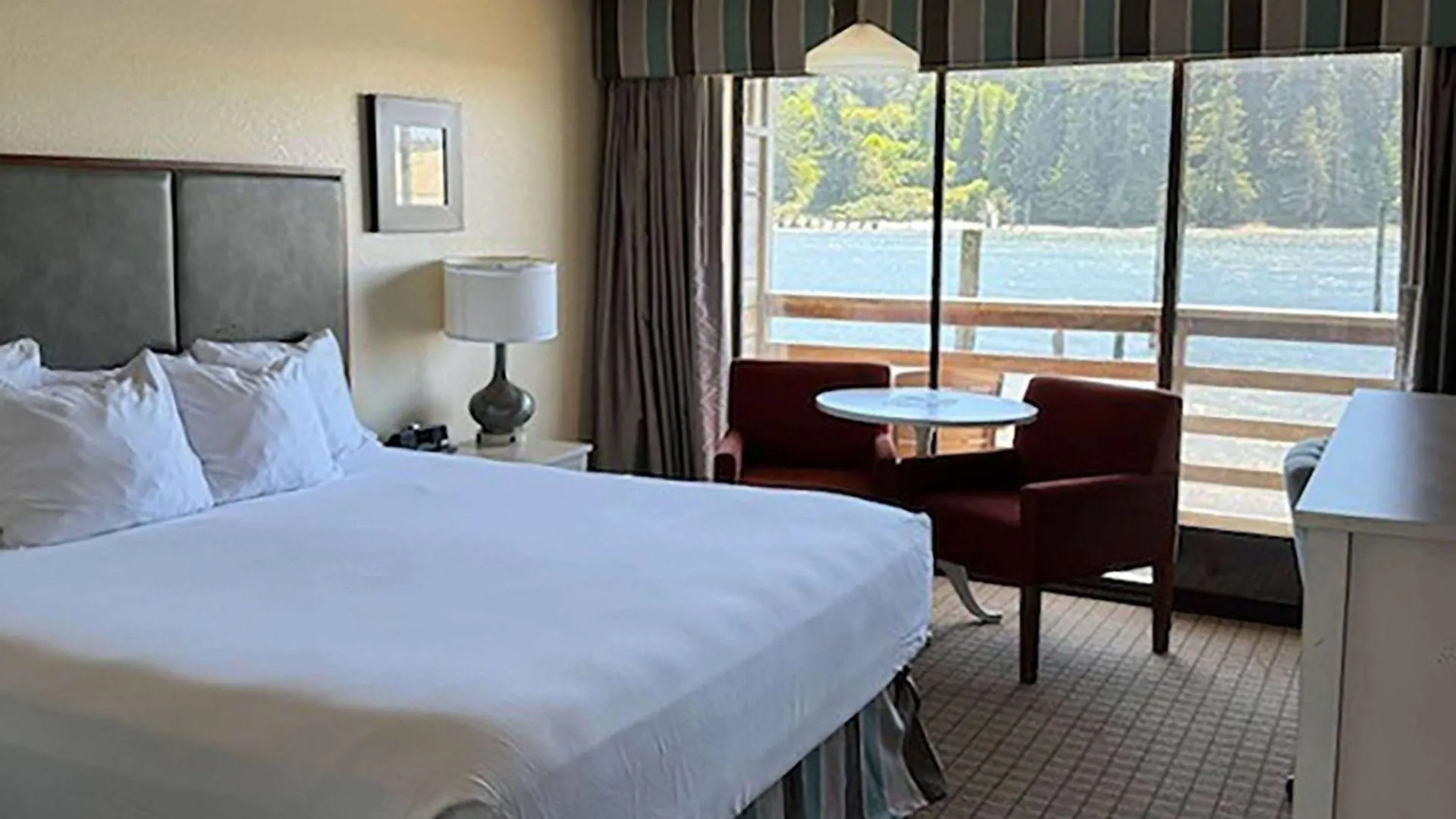
The Oregon Coast stretches over 360 miles of Pacific shoreline, anchored by distinct towns - Astoria in the north, Florence in the mid-coast, and Gold Beach and Brookings near the California border. Choosing a 4-star hotel here means navigating a coastline where quality varies dramatically by town, season, and proximity to the water. This guide cuts through the options to help you decide where to stay and why.
What It's Like Staying on the Oregon Coast
The Oregon Coast is one of the most geographically dramatic coastlines in the continental United States, defined by sea stacks, headlands, river estuaries, and historic lighthouses rather than resort strips or beach clubs. Each town operates as its own destination - there is no single central hub, which means your choice of base determines your entire trip experience. Getting between Astoria and Brookings by car takes around 5 hours, so positioning matters more here than almost anywhere else on the West Coast.
The coast draws a mix of nature-focused travelers, road-trippers doing the entire Highway 101 corridor, and couples seeking dramatic scenery without the crowds of California. Summer is peak season, with July and August bringing the clearest skies and highest occupancy at quality properties. Outside summer, expect dramatic weather and significantly fewer visitors - which suits travelers who prioritize atmosphere over sunshine.
Pros:
- Uncrowded beaches and headlands compared to California or Washington coastal destinations
- Highway 101 connects all major towns, making multi-stop road trips highly practical
- Strong concentration of seafood, local breweries, and Pacific Northwest culinary culture in port towns
Cons:
- No public transit between coastal towns - a rental car is non-negotiable for most itineraries
- Ocean water temperatures rarely exceed 15°C even in summer, making swimming impractical for most visitors
- Fog and overcast conditions are common outside July and August, especially in the northern section near Astoria
Why Choose a 4-Star Hotel on the Oregon Coast
On the Oregon Coast, the 4-star category sits in a meaningful gap between basic motel-style lodging - which dominates most small towns - and the handful of full-service luxury resorts concentrated near Cannon Beach and Depoe Bay. Choosing a 4-star property typically unlocks on-site dining, structured amenities like fitness centers or saunas, and consistent service standards that budget motels and vacation rentals cannot reliably provide. Rates at well-reviewed 4-star properties along the coast average around $180 per night in peak summer, which represents strong value relative to comparable quality in Portland or Seattle.
Room sizes in Oregon Coast 4-star hotels tend to be more generous than urban counterparts, with many offering suite-style layouts that include kitchenettes, separate living areas, or private balconies - a practical advantage for stays longer than two nights. Properties with on-site restaurants matter more here than in cities, because dining options in smaller coastal towns like Gold Beach or Brookings thin out quickly after 9 pm.
Pros:
- Consistent amenity standards - free WiFi, on-site parking, and room service - that budget coastal motels rarely provide
- Many 4-star options include breakfast, reducing logistical friction in towns with limited morning dining options
- Suite-format rooms common in this category are well-suited to extended stays or couples seeking space
Cons:
- Properties are spread across hundreds of miles of coastline, not clustered - you must choose a base town rather than a central hub
- The 4-star label is applied unevenly on the Oregon Coast - always verify recent guest reviews before booking
- Peak-season availability at top-rated properties drops sharply by late May, requiring advance planning of around 6 weeks minimum
Practical Booking & Area Strategy for the Oregon Coast
The Oregon Coast divides logistically into three zones: the North Coast (Astoria, Seaside, Cannon Beach), the Mid-Coast (Newport, Florence), and the South Coast (Gold Beach, Brookings). Astoria is the most culturally dense base, with a walkable historic downtown, the Columbia River Maritime Museum, and strong dining and bar infrastructure - but it sits farthest from the iconic sea stack scenery concentrated around Cannon Beach, around 30 km south. Florence offers direct access to the Oregon Dunes National Recreation Area and the Heceta Head Lighthouse corridor, making it the strongest mid-coast anchor for nature-focused travelers. Gold Beach and Brookings appeal to travelers prioritizing seclusion, the Rogue River estuary, and proximity to Redwood National Park just across the California border.
For road-trippers covering the full Highway 101 corridor, plan a minimum of 4 nights to avoid spending most of your time driving. Book 4-star properties in Astoria and Florence at least 6 weeks ahead for July travel - both towns have limited high-quality inventory that fills early. The South Coast remains less crowded and offers slightly lower rates even in peak summer, but dining and entertainment options after dark are limited compared to Astoria or Newport. Key attractions worth factoring into your base choice include Haystack Rock in Cannon Beach, the Sea Lion Caves near Florence, Crater Lake day trips from the southern coast, and the Astoria Column viewpoint above the Columbia River mouth.
Best Value Stays
These properties deliver strong amenity sets and well-defined locations at rates that represent genuine value on the Oregon Coast, particularly outside peak summer weekends.
-
1. River House Inn, A Baymont By Wyndham
Show on map


 Check-infrom 16:00 until 23:59Check-outuntil 11:00
Just a few rooms left at the best rate!
fromUS$ 119
-
2. Ocean Suites Motel
Show on map


 Check-infrom 15:00 until 21:00Check-outuntil 11:00
Just a few rooms left at the best rate!
fromUS$ 110
Best Premium Stays
These properties offer elevated service infrastructure, on-site dining, and distinctive amenity sets that justify a higher rate for travelers who want more than a functional base on the Oregon Coast.
-
3. Bowline Hotel
Show on map


 Check-infrom 16:00 until 23:59Check-outfrom 07:00 until 12:00
Hurry – almost gone at this price!
fromUS$ 259
-
4. Taylor Creek Lodge
Show on map


 Check-infrom 15:00 until 20:30Check-outfrom 10:00 until 11:00
Rooms filling fast – secure the best rate!
fromUS$ 225
Smart Timing & Booking Advice for the Oregon Coast
July and August are peak months on the Oregon Coast, bringing the highest occupancy rates, the clearest weather windows, and the steepest nightly rates - particularly at 4-star properties in Astoria and Florence that have limited room inventory. Booking these months requires at least 6 weeks of lead time for quality properties; last-minute availability is rare and what remains skews toward lower-tier rooms. September is the most strategically underrated month: summer crowds thin noticeably after Labor Day, rates drop by around 20%, and coastal weather often remains clear well into the month.
The South Coast - Gold Beach and Brookings - operates on a slightly more forgiving booking calendar than the North Coast, as it draws fewer visitors and has lower baseline demand. Shoulder season from October through April brings dramatic storm-watching conditions that attract a specific subset of travelers deliberately seeking moody Pacific weather - some properties discount significantly during this window. For road-trippers covering the full 360-mile Highway 101 corridor, a minimum of 5 nights prevents the itinerary from collapsing into daily driving. Properties with included breakfast - like River House Inn and Taylor Creek Lodge - become especially cost-effective on longer trips where dining costs accumulate daily.


