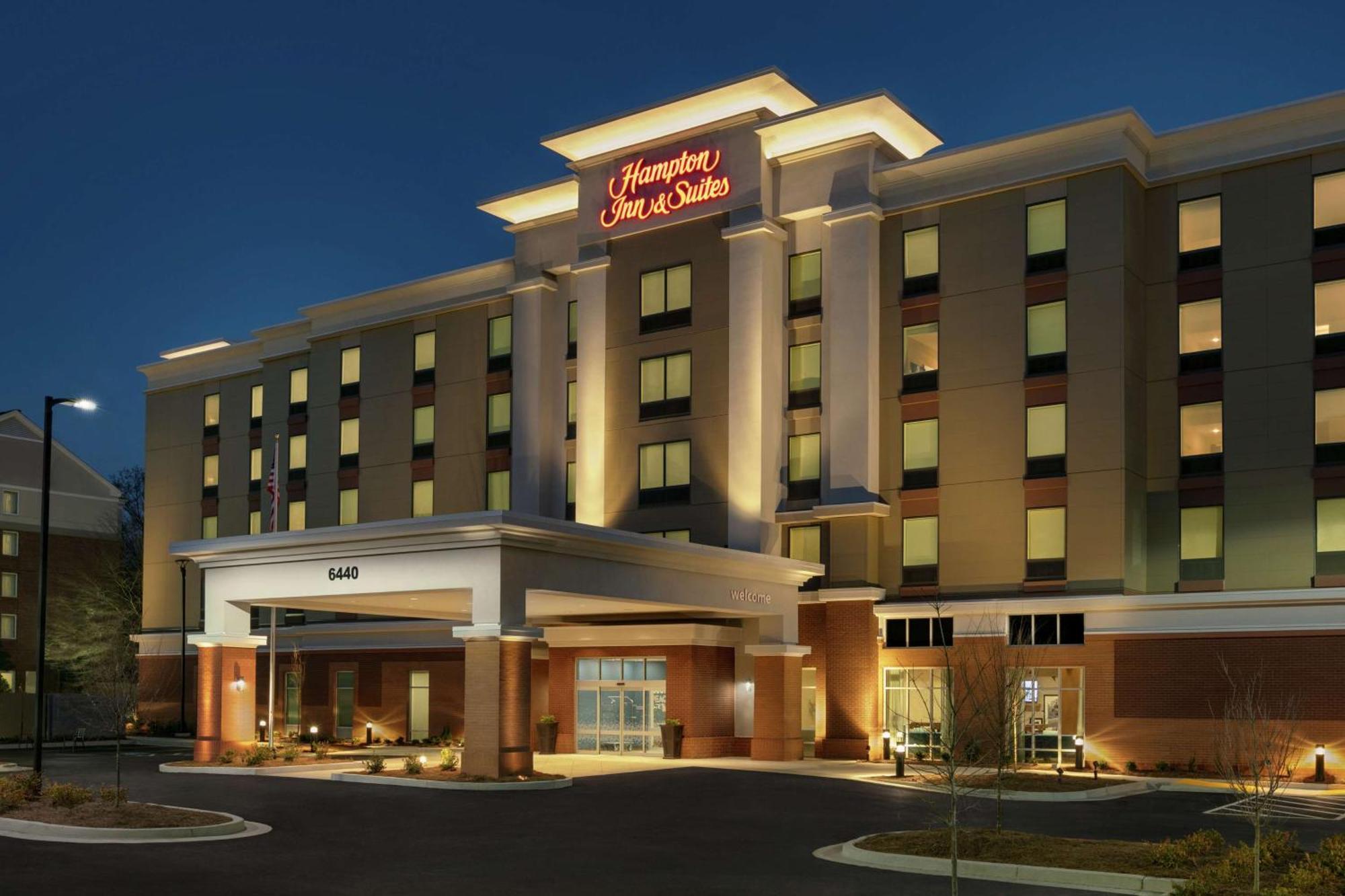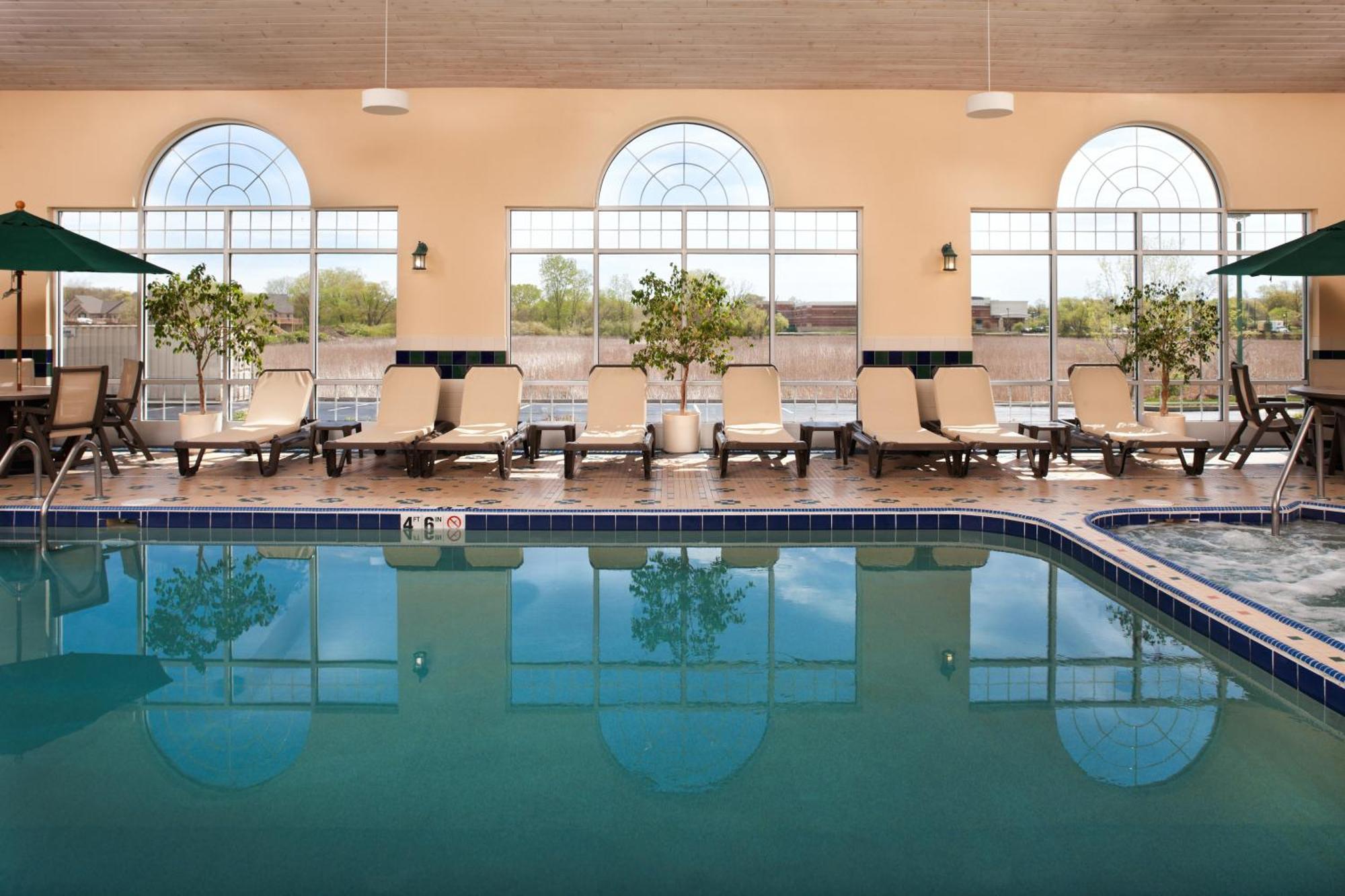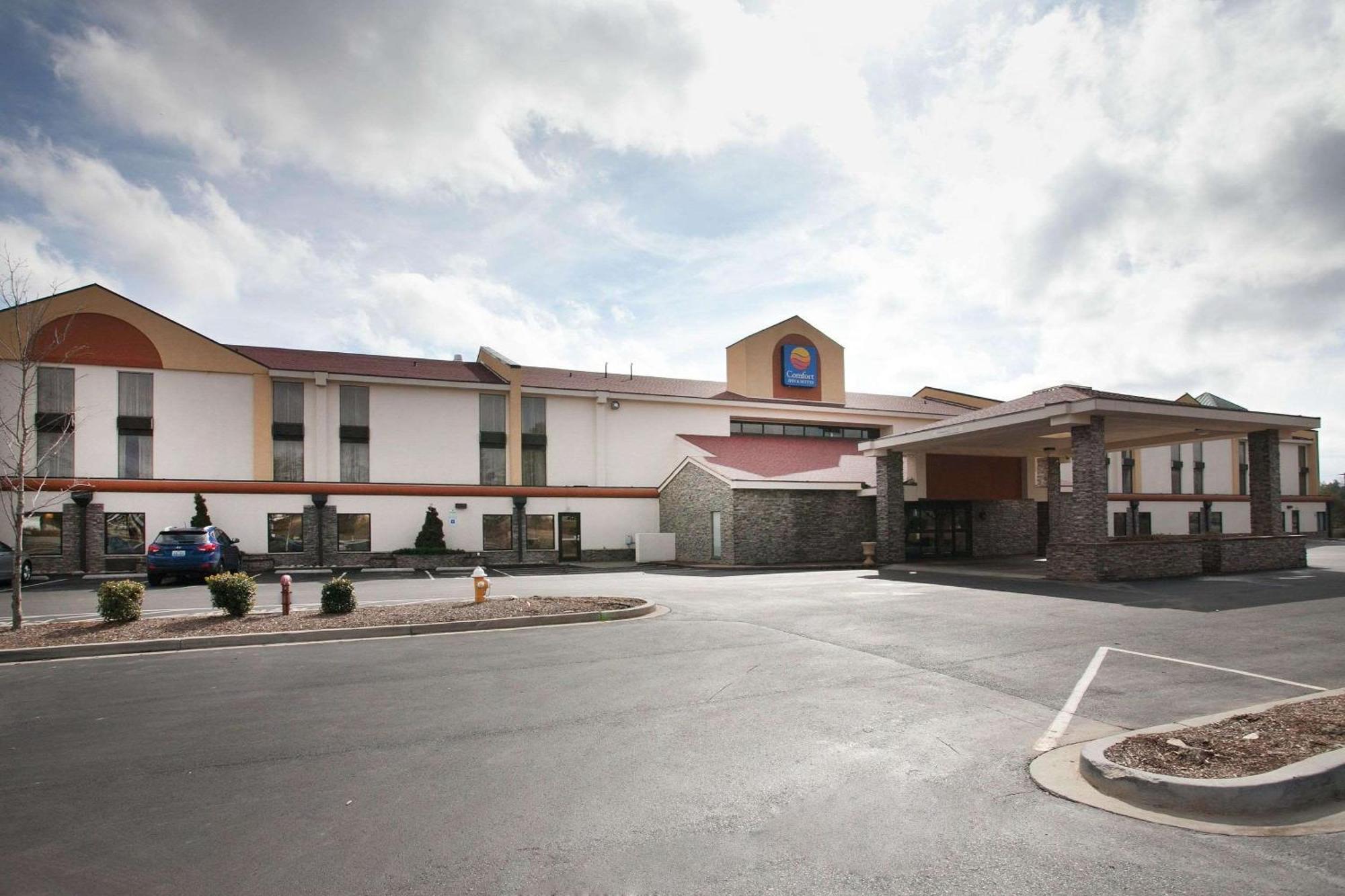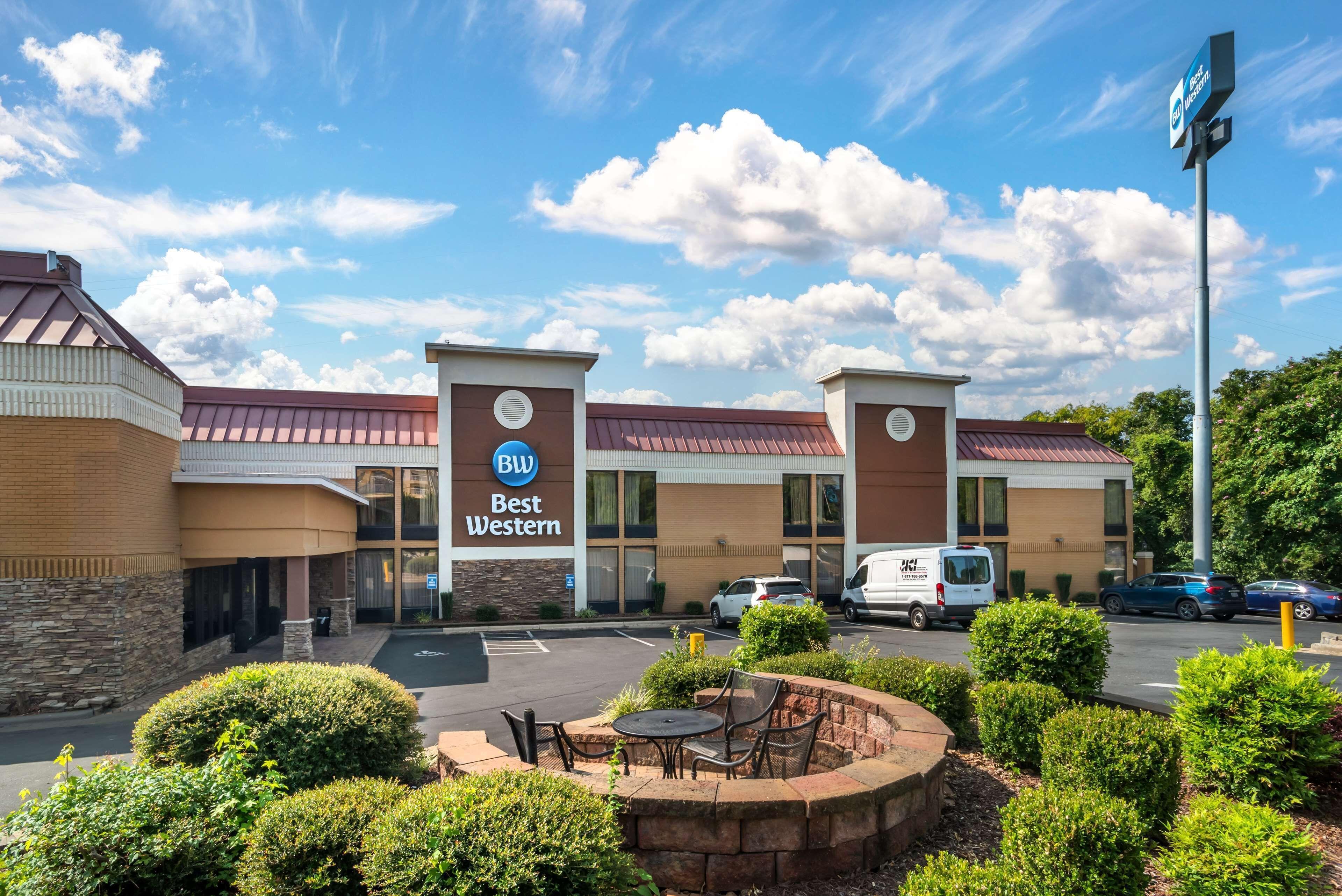
The Washington D.C. Area stretches well beyond the National Mall, covering a wide corridor of suburban Virginia and Maryland communities that sit within commuting distance of the capital. For travelers who want solid, no-nonsense accommodation without overpaying for a downtown address, the region's 3-star hotel scene delivers real value - especially for those with a car or easy Metro access.
What It's Like Staying in the Washington D.C. Area
The D.C. metro region spans three jurisdictions - the District itself, Northern Virginia, and suburban Maryland - each with its own transport rhythm, crowd density, and price point. Staying outside the city core, in towns like Stafford, Dumfries, or Camp Springs, cuts accommodation costs significantly while still placing guests within reach of Metro lines or major highways like I-95 and I-66. Ronald Reagan Washington National Airport serves as the most centrally located airport, while Dulles International handles international routes from the Virginia suburbs. Weekend crowds surge around the National Mall and monuments from March through October, while suburban corridors stay noticeably quieter year-round.
Pros:
- Suburban stays offer free parking - a major cost saver compared to downtown D.C. hotels that charge around $50 per night for parking
- Strong highway connectivity (I-95, I-270, I-495) makes cross-region travel efficient for road trippers and military families
- Access to major federal sites - Joint Base Andrews, Quantico Marine Corps Base - is faster from outer suburbs than from central D.C.
Cons:
- Without a car, reaching downtown D.C. from towns like Frederick or Haymarket requires multi-leg transit or a 45-minute-plus drive
- Suburban hotel zones around I-95 corridors can feel commercially sterile with limited walkable dining options
- Peak federal events - presidential inaugurations, major protests, Cherry Blossom Festival - create region-wide booking shortages with very little warning
Why Choose 3-Star Hotels in the Washington D.C. Area
Three-star hotels in the D.C. metro region occupy a practical middle ground: they consistently offer free parking, complimentary breakfast at many properties, and functional amenities like fitness centers and business areas - features that downtown boutique and 4-star hotels often charge extra for. In the Virginia and Maryland suburbs, a 3-star stay typically runs well below the average downtown D.C. nightly rate, which can exceed $250 during peak season. Room sizes are generally more generous in suburban 3-star properties than in urban mid-range hotels, and many extended-stay options include full kitchens suited to week-long assignments or family trips. The trade-off is distance from walkable attractions, which matters less for business travelers, military visitors, or families with rental cars.
Pros:
- Free parking is standard across nearly all suburban 3-star properties - a practical advantage for drive-in guests
- Many properties include breakfast, fitness centers, and business centers at no additional charge
- Extended-stay-style rooms with kitchenettes and full kitchens are widely available in this category across the region
Cons:
- Dining options near suburban 3-star hotels are mostly chain restaurants along highway corridors - not walkable neighborhood spots
- Properties near military bases and federal corridors can fill up fast during training rotations or government travel seasons
- Shuttle service to airports or Metro stations is inconsistent - guests should verify this before booking
Practical Booking & Area Strategy
For travelers focused on Quantico, Joint Base Andrews, or Fort Detrick, choosing a hotel in the same corridor - Stafford or Dumfries for Quantico, Camp Springs for Andrews, Frederick for Fort Detrick - eliminates long highway commutes. Camp Springs sits around 14 km from both The Capitol and National Harbor, making it one of the more strategically located suburban options in Maryland. Frederick, roughly 80 km northwest of downtown D.C., suits travelers with business near Fort Detrick or those exploring the Civil War trails of Western Maryland. Booking at least 6 weeks ahead is advisable for spring travel, when Cherry Blossom season and school trips push region-wide occupancy sharply upward. For those planning day trips to the National Mall, the Virginia Railway Express (VRE) connects Stafford-area travelers to Union Station, cutting out highway traffic entirely.
Best Value Stays
These properties offer the strongest combination of location, included amenities, and nightly rate for budget-conscious travelers across the D.C. metro region.
-
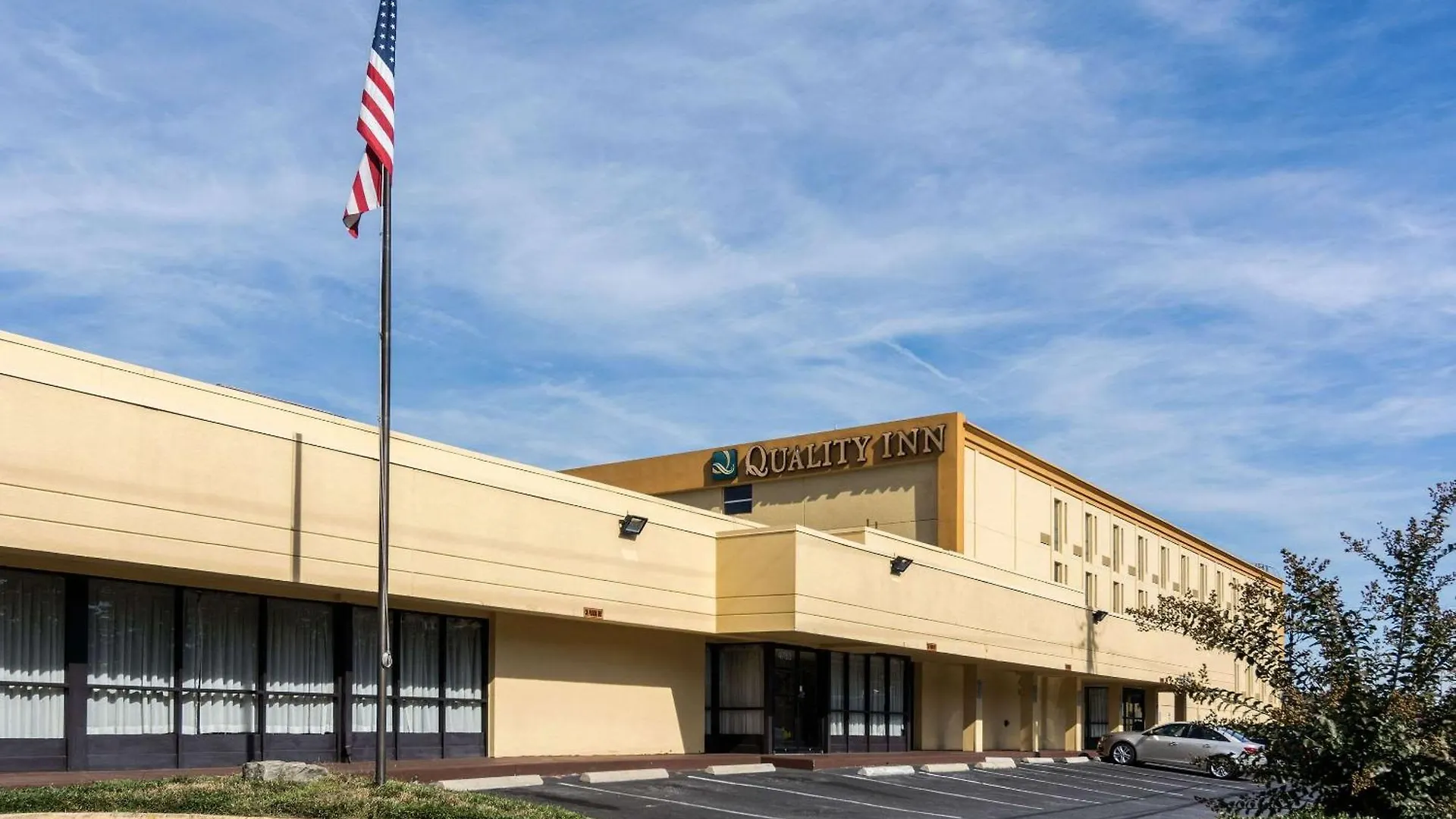
1. Quality Inn Near Joint Base Andrews-Washington Area
Show on map


 Check-infrom 15:00 until 23:59Check-outuntil 11:00
Just a few rooms left at the best rate!
fromUS$ 98
-
2. Motel 6-Frederick, Md - Fort Detrick
Show on map


 Check-infrom 15:00 until 23:59Check-outuntil 11:00
Just a few rooms left at the best rate!
fromUS$ 70
-
3. Super 8 By Wyndham Frederick
Show on map


 Check-infrom 15:00 until 23:59Check-outuntil 11:00
Hurry – almost gone at this price!
fromUS$ 49
Best Mid-Range Picks
These properties step up with extended amenities - pools, business centers, full kitchens, and brand-backed consistency - suited for longer stays, military families, or travelers with specific facility needs.
-
4. Fairfield Inn & Suites By Marriott Stafford Quantico
Show on map


 Check-infrom 15:00 until 23:59Check-outuntil 12:00
Hurry – almost gone at this price!
fromUS$ 160
-
5. Candlewood Suites - Dumfries - Quantico By Ihg
Show on map


 Check-infrom 15:00 until 23:59Check-outuntil 11:00
Rooms filling fast – secure the best rate!
fromUS$ 117
-
6. Inn At Evergreen
Show on map


 Check-infrom 14:00 until 17:00Check-outuntil 11:00
Rooms filling fast – secure the best rate!
fromUS$ 339
Smart Travel & Timing Advice for the Washington D.C. Area
The D.C. metro region peaks twice annually: late March through mid-April during Cherry Blossom season, and again in June when school groups flood the National Mall. Hotel rates across the region climb around 35% during Cherry Blossom peak, and properties within 20 km of downtown D.C. book out weeks in advance. October is a strong shoulder-season alternative - weather is stable, crowds thin noticeably after Labor Day, and nightly rates drop across the suburban corridors. For military-adjacent properties near Quantico or Joint Base Andrews, government travel cycles - particularly end-of-fiscal-year in September - create localized demand spikes that have nothing to do with tourism seasons. Most stays in the D.C. Area make sense at 3 nights minimum: enough time to cover the National Mall's major sites, squeeze in a day trip to Alexandria or Annapolis, and avoid wasting a travel day. Booking at least 8 weeks ahead for spring travel is strongly advisable for any property within the I-495 beltway or near major federal installations.